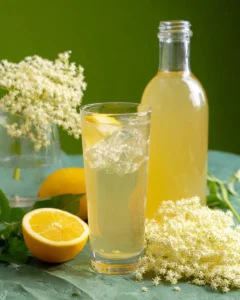

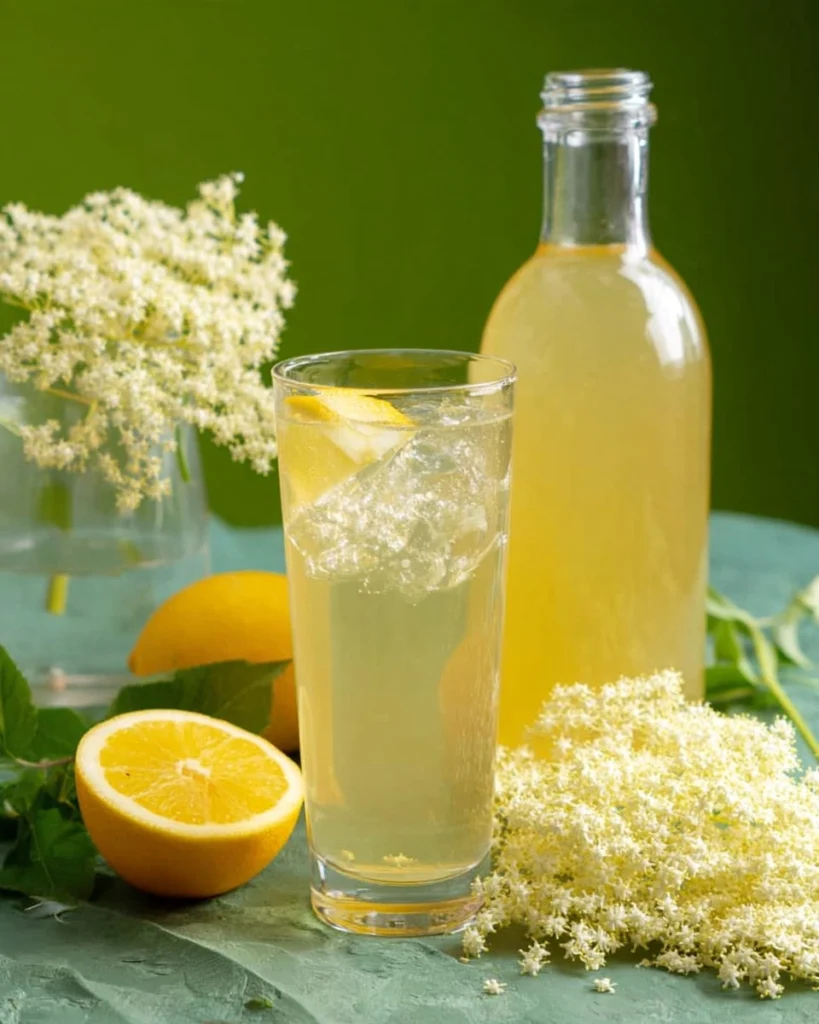
Elderflower cordial is the kind of homemade delight that can transport you straight to a sun-drenched afternoon picnic or a cozy summer garden gathering. Its fragrant, floral notes can elevate fizzy drinks, cocktails, or even an ordinary glass of water into something truly special. Making elderflower cordial at home might seem daunting at first, but trust me, it’s a straightforward process that doesn’t require any fancy equipment or techniques. It relies simply on the bounty of nature and a bit of patience.
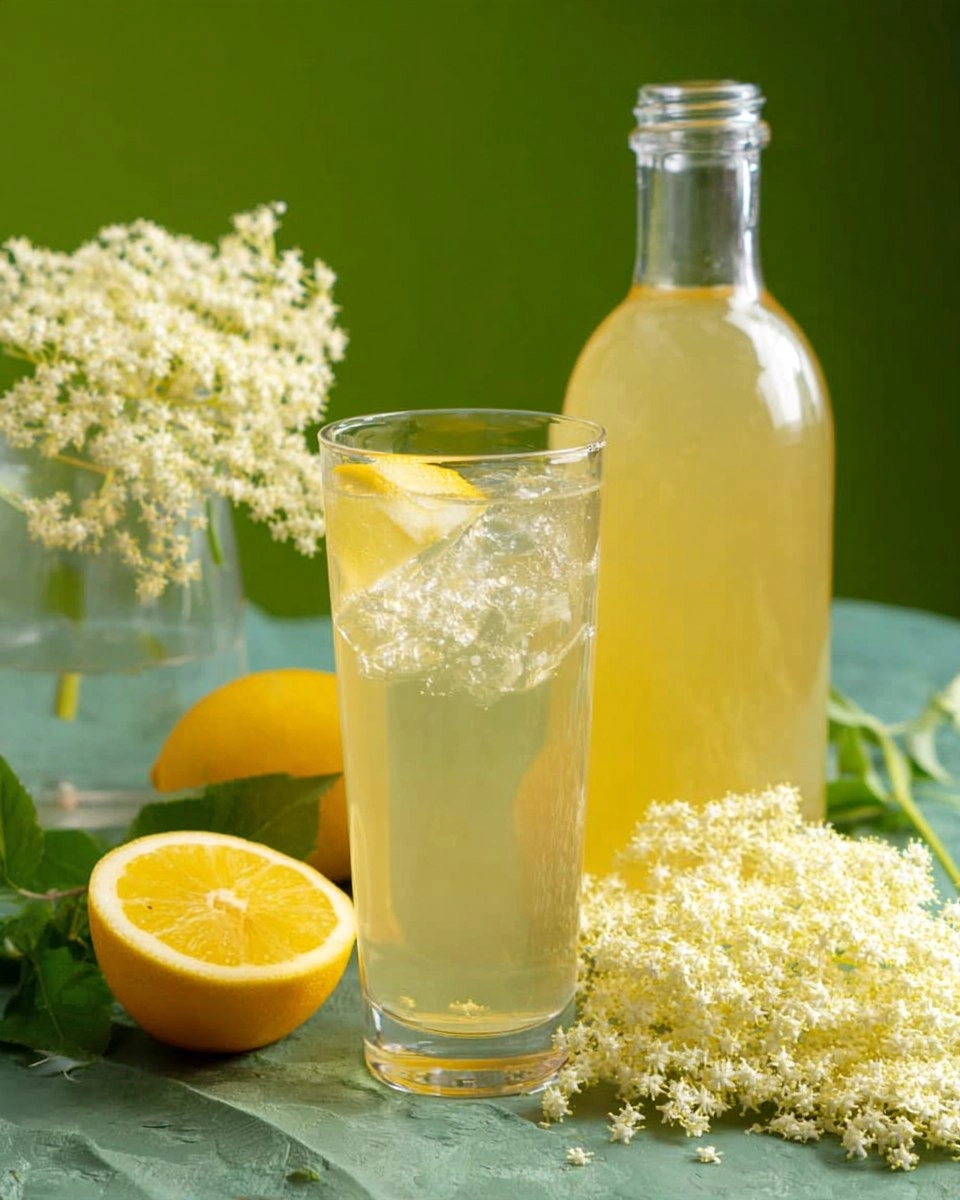
I first discovered this delightful syrup during an early summer outing when the air was thick with the heady scent of blooming elderflowers. I was captivated by its delicate flavor, beautifully balancing sweetness with a subtle tang. Homemade elderflower cordial opens up a world of refreshing drink options, leaving the store-bought alternatives in the dust. If you’re looking for a versatile and impressive way to hydrate this summer, elderflower cordial is your answer. I can’t wait for you to try creating this enchanting syrup in your kitchen!
Why You’ll Love This Recipe
- Simple & Quick: Whip it up in just 30 minutes plus infusion time!
- Irresistible Flavor: A sweet, floral burst that’s perfect for cocktails or refreshers.
- Eye-Catching Appeal: The delicate beauty of elderflowers is impressive enough to wow your guests.
- Flexible Serving: Enjoy it solo over ice, mixed into drinks, or even drizzled over desserts.
- Diet-Friendly Options: Naturally vegetarian, and with citric acid, it’s easy to make without preservatives.
Ingredients You’ll Need
- 15 – 20 elderflower clusters (about 150 – 200 g fresh elderflowers): Choose clusters with freshly opened flowers for the best flavor. More clusters will intensify the floral notes.
- 1.25 kg white sugar (6 ¼ cups): This is essential for creating the syrup. You can use a bit less sugar for a less sweet version, but it may impact preservation.
- 1.5 liters water (6 ¼ cups): Acts as the base for your syrup; use filtered water for best results.
- 2 lemons (zest only): The lemon zest infuses the syrup with a bright citrus aroma, complementing the floral elderflowers.
- 2 tsp citric acid: This helps preserve the syrup while adding a tangy note. You can adjust the amount based on your taste preference.
How to Make Elderflower Cordial
- Harvest Elderflowers: Pick the elderflower clusters on a dry day to maintain the precious pollen. Look for fresh blooms, avoiding any with discoloration.
- Shake Off Bugs: Gently shake the clusters over a bowl to remove any bugs, ensuring to keep the pollen intact.
- Prepare Flowers: Carefully remove the flowers from the clusters into a heat-proof pot, leaving behind as many stems as possible.
- Zest the Lemons: Use a zester or peeler to get the lemon zest while staying clear of the bitter pith.
- Create Sugar Mixture: In a large pot, combine the 1.25 kg of sugar with the lemon zest.
- Add Water: Pour 1.5 liters of water into the sugar mixture, using it to rinse any remaining pollen from your bowls.
- Heat the Syrup: Over medium to medium-high heat, stir the mixture until the sugar is completely dissolved and bring it to a boil.
- Cool the Mixture: Remove the pot from heat when boiling, allowing it to rest for a couple of minutes to settle.
- Combine with Elderflowers: Pour the hot syrup over the elderflowers, ensuring they are fully submerged. Stir gently to mix.
- Infuse the Syrup: Cover the mixture with an airtight lid and place a piece of parchment paper on top to keep the flowers submerged. Let it cool to room temperature before refrigerating.
- Infusion Time: Let the elderflowers infuse in the syrup for at least 12 hours, ideally up to 24 hours for maximum flavor.
- Strain the Syrup: Strain the syrup through a sieve, pressing the flowers gently to extract all the fragrant liquid.
- Add Citric Acid: Whisk in 2 teaspoons of citric acid. Taste and adjust if you prefer a tangier profile.
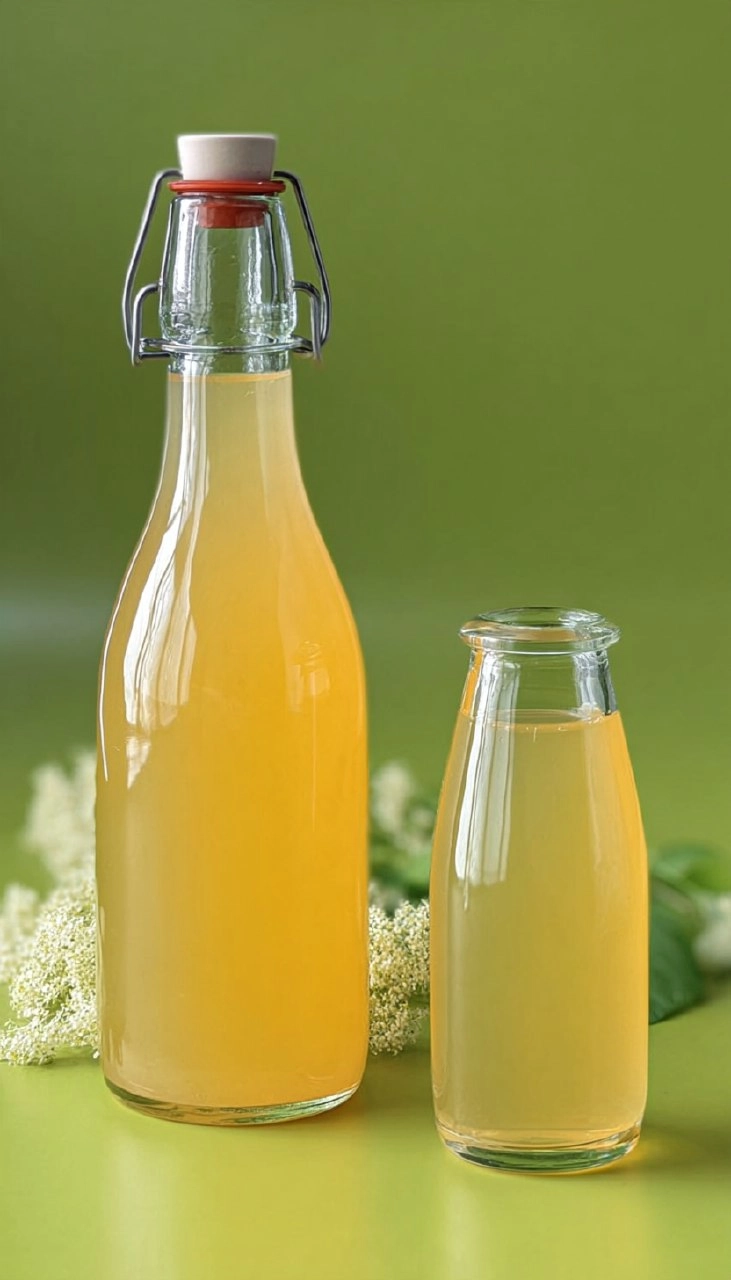
- Store the Syrup: Transfer the cordial into jars or bottles. Keep in the fridge for about a week, or about two weeks if using the full citric acid amount.
- Freezing Option: For longer storage, pour the syrup into wide-mouthed jars, leaving an inch of headspace, and freeze without lids. Once frozen, secure the lids to prevent cracking.
Storing & Reheating
Store your elderflower cordial in the refrigerator, where it can last around one week. If you’ve added sufficient citric acid, it’ll stretch to about two weeks. For longer preservation, freeze the syrup in jars (without lids initially) for up to three months. When you’re ready to use it again, simply thaw in the refrigerator overnight. The flavor should remain vibrant, though ice crystal formation might change the texture slightly; a good shake or stir will help refresh it.
Chef’s Helpful Tips
- Avoid picking elderflowers after rain; moisture can wash away beneficial pollen and flavor.
- Be sure to strain the syrup completely; leftover flowers can impart a bitter taste if left too long.
- If you prefer a lighter flavor, use fewer elderflower clusters but infuse for a longer time.
- Use a clean, sterilized container for storage to prevent spoilage.
- Don’t skimp on the citric acid if you want the cordial to last longer; it acts as both flavor and preservative.
Elderflower cordial is more than just a drink; it’s a celebration of summer in a bottle, inviting creativity and refreshment. You can splash it into cocktails, sip it as a spritzer with sparkling water, or drizzle it over desserts for an added touch of class. Feel free to experiment with flavors, and perhaps even add a splash of sparkling wine for an elegant twist. Let this delightful syrup inspire your next refreshing beverage – you truly won’t regret giving it a try!
Recipe FAQs
Can I use dried elderflowers instead of fresh ones?
Absolutely! If you can’t find fresh elderflowers, you can use dried ones. Use about one-third the quantity, as dried flowers are more concentrated in flavor. Steep them in boiling water for a good 30 minutes before continuing with the recipe.
How can I adjust the sweetness of my elderflower cordial?
If you find the syrup too sweet, you can always dilute it with a bit more water when serving. Alternatively, reduce the sugar slightly during preparation, but note that this can decrease its shelf life.
What else can I do with elderflower cordial?
Elderflower cordial is incredibly versatile! You can add it to cocktails, mix it with sparkling water for a refreshing beverage, or drizzle it over desserts like ice cream or cheesecake for an elegant touch.
How should I serve elderflower cordial?
Serve your elderflower cordial chilled over ice, mixed with sparkling water for a refreshing spritzer, or use it as a magical ingredient in cocktails. It also pairs beautifully with lemon and mint for a delightful summery drink!
Print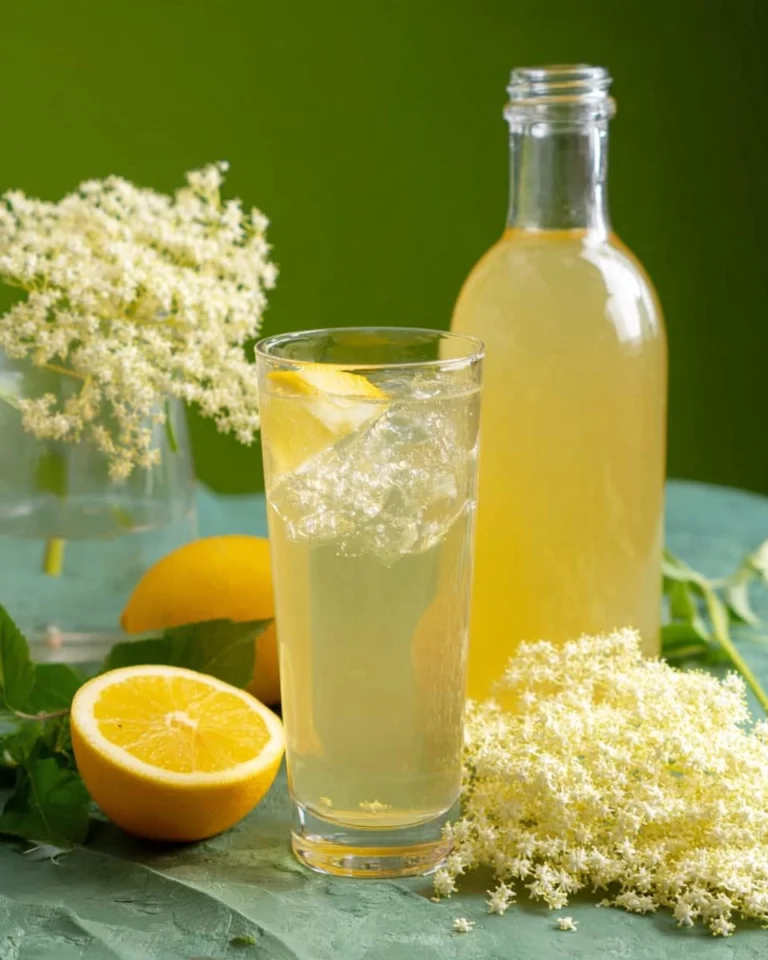
Elderflower Cordial
This Elderflower Cordial brings a refreshing touch to your beverages with its sweet floral flavor. Made with fresh elderflowers and zesty lemons, it’s an easy homemade treat perfect for warm days or special occasions.
- Total Time: 1 hour 10 minutes
- Yield: 34 servings 1x
Ingredients
- 15 – 20 elderflower clusters / heads (about 150 – 200 g)
- 1.25 kg white sugar (6 ¼ cups)
- 1.5 liters water (6 ¼ cups)
- 2 lemons (zest only)
- 2 tsp citric acid (1 tsp extra if needed)
Instructions
- Pick the elderflower clusters on a dry morning to keep the pollen intact.
- Choose clusters with freshly opened flowers and minimal discoloration.
- Shake clusters gently over a bowl to remove any bugs while keeping the pollen.
- Remove flowers from clusters into a heat-proof container, keeping some small stems if necessary.
- Zest the lemons, avoiding the bitter white pith.
- Place sugar and lemon zest in a large pot.
- Use water to wash residual pollen from bowls and add to the sugar mixture.
- Heat the mixture over medium to medium-high heat, stirring until sugar dissolves.
- Bring to a boil, then remove from heat after a couple of minutes to let bubbles subside.
- Pour the syrup over the elderflowers, ensuring they are fully submerged.
- Cover with an airtight lid and place parchment paper on the syrup's surface to keep flowers submerged.
- Let cool to room temperature, then refrigerate.
- Infuse for at least 12 hours or preferably 24 hours.
- Strain through a sieve, gently squeezing flowers to release syrup.
- Whisk in citric acid, adjusting to taste for desired tang.
- Transfer syrup to jars or bottles for storage.
- Store in the fridge for about 1 week, or up to 2 weeks if using the full citric acid.
- To freeze, pour into jars without lids, leaving head space, then freeze upright before placing lids on.
Last Step:
Please leave a rating and comment letting us know how you liked this recipe! This helps our business to thrive and continue providing free, high-quality recipes for you.Notes
For a stronger flavor, use more elderflower clusters.
Ensure the jars used for freezing have wide mouths to prevent cracking.
Taste the syrup before adding the full citric acid, adjusting for personal preference.
- Prep Time: 30 minutes
- Cook Time: 40 minutes
- Category: Drinks
- Method: Infusion
- Cuisine: British
Nutrition
- Serving Size: 1 tablespoon
- Calories: 50
- Sugar: 12g
- Sodium: 0mg
- Fat: 0g
- Saturated Fat: 0g
- Unsaturated Fat: 0g
- Trans Fat: 0g
- Carbohydrates: 13g
- Fiber: 0g
- Protein: 0g
- Cholesterol: 0mg